Capitol Reef: Historic Sites, Free Fruit, & Scenic Views Explored
Often overlooked in favor of its more famous "Mighty 5" siblings, Capitol Reef National Park is Utah's quiet marvel, a place where history, geology, and delicious free fruit converge to create an unforgettable experience. Tucked away between the unassuming towns of Torrey and Hanksville, this southern Utah gem beckons those who crave stunning scenery without the overwhelming crowds. If you're planning a trip to the Beehive State, discovering the diverse things to do in Capitol Reef National Park is an absolute must, promising jaw-dropping views and a journey back in time.
At the heart of Capitol Reef lies the Waterpocket Fold, a colossal 100-mile wrinkle in the Earth's crust that defines much of the park's dramatic landscape. This geological wonder, a true testament to the planet's dynamic forces, crafts a surreal backdrop for an array of adventures. Whether you have just a few hours or several days to explore, Capitol Reef invites you to slow down, breathe deeply, and uncover why it frequently becomes a favorite for visitors who take the time to truly see it.
Exploring the Historic Heart: The Fruita Rural Historic District & Orchards
One of the most unique and charming things to do in Capitol Reef National Park is immersing yourself in the Fruita Rural Historic District. Nestled in a lush valley along the Fremont River, just past the Visitor Center, Fruita is a vibrant pocket of green that tells the story of early Mormon settlement. Once known as Junction, this small community of resilient fruit farmers thrived from the late 1800s through the mid-20th century, reaching its zenith in the 1920s.
Today, many of their original buildings stand as a living museum, offering a tangible connection to the past. Key among these is the Gifford Homestead, built in 1908. Located about a mile south of the Visitor Center along the scenic drive, the Gifford House now serves as a delightful museum and gift shop. Here, you can browse artisan items and, seasonally (typically March–November), indulge in delicious home-baked goods – a perfect treat after a day of exploration. Next to it, the historic Fruita Barn stands as a silent sentinel to decades of farming life.
As you wander through Fruita, keep an eye out for other significant structures:
- The Blacksmith Shop: Situated just before the Gifford House, this provides a glimpse into the essential trades that supported the community.
- The Fruita Schoolhouse: Built in 1896 and used until 1941, this one-room schoolhouse, less than a mile east of the Visitor Center along Highway 24, vividly illustrates pioneer education.
- The Behunin Cabin: Further east along Highway 24, about 5.2 miles from the Schoolhouse, this cabin, constructed in 1883, represents one of the earliest homes in the district.
Beyond these main buildings, the landscape is dotted with crumbling historic structures and foundations, each hinting at the lives once lived here. Don't miss the area across from the Blacksmith Shop, behind the Ripple Rock Nature Center, where several such ruins and the famous Fruita Mail Tree stand. The Mail Tree was where pioneer residents collected their mail, a simple yet vital hub of community connection.
The Legendary Fruita Orchards: Pick Your Own Free Fruit!
Perhaps the most celebrated of all things to do in Capitol Reef National Park, especially for families and foodies, is visiting the historic Fruita Orchards. These orchards, originally planted by early Mormon settlers, are a truly unique national park feature. Today, roughly 2,000 fruit trees fill the valley, brimming with heirloom and unique varieties of apples, apricots, cherries, peaches, pears, and plums.
The best part? During harvest season, you can sample this bounty for free! That's right – visitors are welcome to eat as much fruit as they'd like while inside the orchards. If you wish to take some delicious fruit home, you can do so for a small fee, paid via an honor system at self-pay stations. It's a delightful and tasty way to connect with the park's agricultural heritage. While the fruit isn't strictly organic, the National Park Service meticulously maintains the orchards, balancing traditional methods with practical upkeep to ensure a healthy and abundant harvest. For a deeper dive into this unique offering, including tips on what’s in season, read our guide on Pick Free Fruit: Your Guide to Capitol Reef's Fruita Orchards.
Beyond Fruita: Uncovering Capitol Reef's Natural Wonders
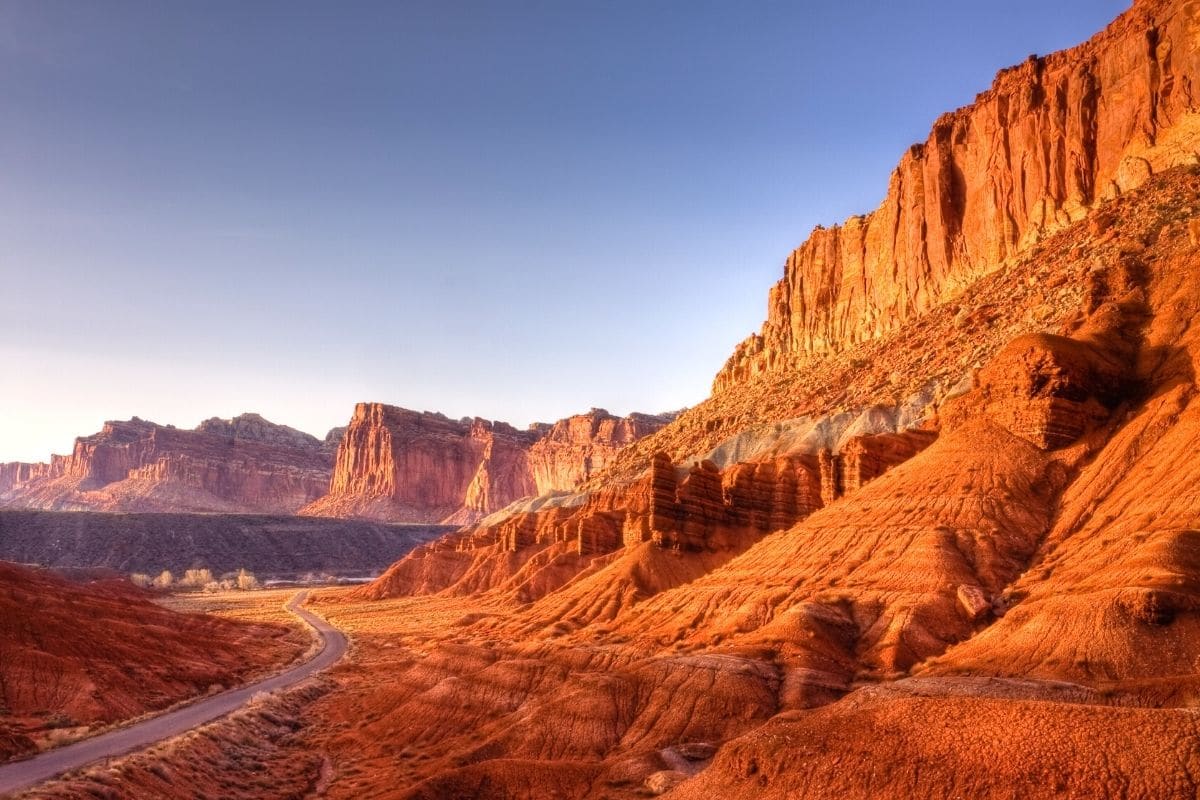
While the historic charm of Fruita is undeniable, Capitol Reef's grandest spectacle lies in its dramatic, colorful landscapes. The aforementioned Waterpocket Fold creates a world of towering monoliths, deep canyons, and vast domes that seem to shift colors with the sun. Exploring these natural wonders is another essential among the things to do in Capitol Reef National Park.
The most accessible way to experience this geological marvel is by driving the scenic Highway 24, which cuts through the park, and then turning onto the Scenic Drive. This paved road winds south from the Visitor Center, offering breathtaking views of massive sandstone cliffs, sculpted domes, and vibrant canyons. Along the way, you'll find numerous pull-offs and short interpretive trails that invite you to step out and truly absorb the scenery.
Beyond the paved roads, Capitol Reef offers a spectrum of hiking opportunities, from easy riverside strolls in Fruita to strenuous backcountry treks into the remote canyons of the Waterpocket Fold. Even if you're not an avid hiker, consider a short walk to one of the many scenic overlooks. The sheer scale and vibrant hues of the landscape are incredibly captivating, providing ample photo opportunities and moments of quiet contemplation. The less crowded trails mean you often have these magnificent vistas largely to yourself, a stark contrast to some of Utah's busier parks. For more reasons why Capitol Reef stands out, explore Why Capitol Reef is Utah's Underrated Mighty 5 National Park.
Practical Tips for Your Capitol Reef Adventure
To make the most of your visit to Capitol Reef National Park, a little planning goes a long way. Here are some essential tips:
- Best Time to Visit: Spring (April-May) and Fall (September-October) offer pleasant temperatures ideal for hiking and exploring, and are when many of the orchards are ripe for picking. Summer can be hot, while winter brings fewer crowds and unique snowy landscapes.
- Stay Hydrated and Protected: This is a desert environment. Always carry plenty of water, wear sun protection (hat, sunscreen), and dress in layers.
- Visitor Center: Start your trip here! The Capitol Reef National Park Visitor Center provides maps, current conditions, ranger programs, and essential information about road closures or fruit-picking seasons.
- Lodging & Dining: While there's no lodging within the park itself, the nearby towns of Torrey and Hanksville offer various accommodations and dining options. The Gifford House, as mentioned, offers seasonal treats.
- Park Entry: There is an entrance fee for the Scenic Drive, but much of the park, including Highway 24 and the Fruita Historic District (excluding the scenic drive), can be accessed without charge. Consider an America the Beautiful Pass if you're visiting multiple national parks.
- Take Your Time: Capitol Reef is best enjoyed at a leisurely pace. Don't rush through; allow yourself to explore, savor the views, and connect with the history.
Conclusion
Capitol Reef National Park offers a truly distinctive blend of natural beauty, rich history, and surprising delights like free fruit picking. It’s a place where the grandeur of the Waterpocket Fold meets the intimate stories of pioneer life, all without the overwhelming crowds found in other Utah parks. From wandering through historic orchards to marveling at ancient geological formations, the myriad things to do in Capitol Reef National Park promise an experience that is both engaging and deeply rewarding. So, next time you plan a trip to Utah, make sure to include this underrated gem on your itinerary – you’ll be glad you did.
