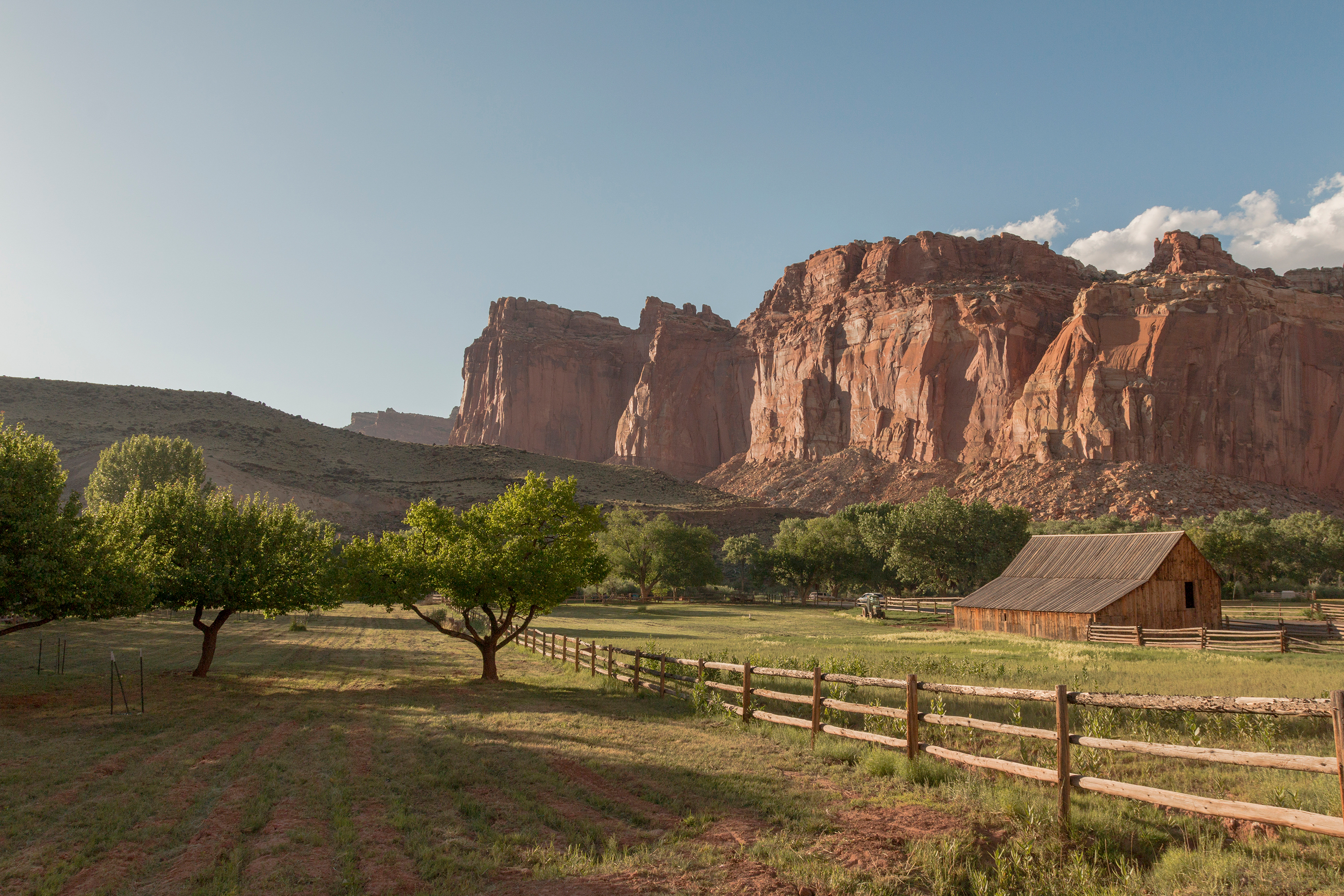
Nestled in the heart of Utah's awe-inspiring landscape, Capitol Reef National Park often plays the role of the quiet sibling among the "Mighty 5." While many visitors rush past on their way to Zion or Bryce Canyon, those who slow down discover a wonderland of towering sandstone cliffs, ancient petroglyphs, and a truly unique experience: picking fresh fruit right from historic orchards.
Among the many incredible things to do in Capitol Reef National Park, the Fruita Orchards stand out as a delicious blend of history, natural beauty, and edible adventure. This isn't just a scenic overlook; it's an opportunity to step back in time and literally taste the legacy of early pioneers. Imagine strolling through a vibrant orchard, plucking a sun-ripened peach or a crisp apple, and enjoying it on the spot – often for free!
Fruita, a verdant oasis along the Fremont River, is a central hub for exploring Capitol Reef. Its lush greenery contrasts dramatically with the surrounding red rock desert, drawing you into a story of resilience, community, and fruitful labor. If you're looking for an unforgettable activity that appeals to all ages, the Fruita Orchards are a must-add to your Capitol Reef itinerary.
A Taste of History: The Enduring Legacy of Fruita
To truly appreciate the Fruita Orchards, it's essential to understand the rich history that cultivated this unique landscape. What is now known as the Fruita Rural Historic District was once a vibrant pioneer settlement, established by Mormon families in the late 1800s. Originally called "Junction" due to its location at the confluence of the Fremont River and Sulphur Creek, this community thrived by harnessing the precious water resources to transform the desert into a productive agricultural haven.
Peaking in the 1920s, Fruita was home to a tight-knit community of fruit farmers. Today, many of their original buildings stand as silent witnesses to their ingenuity and hard work. As you explore the district, you'll encounter a fascinating glimpse into pioneer life:
- The Gifford Homestead: Located about a mile south of the Visitor Center along the Scenic Drive, the Gifford House was built in 1908. It now serves as a delightful museum and gift shop, offering locally made artisan items, and seasonally, homebaked goods like fruit pies, homemade ice cream, and preserves – often made with fruit from the very orchards you’re about to explore!
- The Blacksmith Shop: Just before the Gifford House, this humble structure reminds visitors of the essential trades that supported the community.
- The Fruita Schoolhouse: Built in 1896 and used until 1941, this one-room schoolhouse, located east of the Visitor Center along Highway 24, gives insight into the daily lives of Fruita's children.
- The Behunin Cabin: Further east along Highway 24, this cabin dates back to 1883, making it one of the earliest homes in the district and a testament to the pioneering spirit.
Beyond these well-preserved structures, you'll find various crumbling foundations and weathered remnants that whisper tales of bygone days. Look for them across the road from the Blacksmith Shop, near the Ripple Rock Nature Center (an extension of the main Visitor Center), and next to the main picnic area, where the famous Fruita Mail Tree once served as the community's postal hub. Learning about these historic sites is a compelling aspect of things to do in Capitol Reef National Park.
Harvesting Joy: The Abundant Fruita Orchards
The true centerpiece of Fruita, and undoubtedly one of the most delightful things to do in Capitol Reef National Park, are the expansive orchards themselves. These fruit-laden groves are a direct legacy of those early Mormon settlers, whose vision transformed a desert valley into an agricultural wonderland. Today, roughly 2,000 fruit trees fill the valley, offering a bounty of fresh produce for visitors to enjoy.
As you wander through these meticulously maintained orchards, you'll discover a variety of heirloom and unique fruit varieties. Depending on the season, you could find:
- Cherries: Typically ripe in June and early July.
- Apricots: Ready for picking in July.
- Peaches: Abundant from August through early September.
- Pears: Available from August through September.
- Apples: A long season, often from September through October.
- Plums: Usually ripe in July and August.
And here’s the best part: you can sample it for free! During the official harvest season, visitors are welcome to eat as much fruit as they’d like while inside the orchards, free of charge. If you wish to take fruit home, a small fee applies, managed through an honor system at self-pay stations. This trust-based system embodies the spirit of the park and its community, making the experience even more charming.
While the fruit isn't strictly organic, the National Park Service carefully maintains the orchards. Their approach balances traditional upkeep methods with practical considerations, ensuring a healthy and productive harvest for both wildlife and human visitors. The sheer delight of plucking a warm, ripe piece of fruit directly from the tree is an experience unlike any other, connecting you directly to the land and its history.
Planning Your Fruita Fruit-Picking Adventure
To make the most of your visit to the Fruita Orchards, a little planning goes a long way. This is one of the most hands-on things to do in Capitol Reef National Park, so being prepared ensures a sweet experience.
When to Visit: Peak Picking Seasons
The fruit season generally runs from early summer through late fall (typically March through November for general park services like the Gifford House), but specific fruits have narrower windows. It's crucial to check the official National Park Service website for Capitol Reef or inquire at the Visitor Center upon arrival for the most current information on which orchards are open and what fruit is ripe for picking. Weather conditions can significantly impact harvest times, so a quick check can prevent disappointment.
Practical Tips for a Sweet Experience
- Check Orchard Status: Always confirm which orchards are open and what fruit is available. Not all 2,000 trees ripen at once, nor are all orchards open simultaneously.
- Bring Supplies for Take-Away: If you plan to take fruit home, bring your own bags, baskets, or containers. The self-pay stations operate on an honor system and usually accept cash and sometimes card payments. Exact change is always a good idea.
- Stay Hydrated and Protected: Capitol Reef is a desert environment. Bring plenty of water, wear sunscreen, a hat, and comfortable shoes suitable for walking on uneven orchard ground.
- Practice Orchard Etiquette: Pick only ripe fruit, and avoid damaging trees. Remember that these orchards are a living historical resource, maintained for everyone's enjoyment. Respect the honor system.
- Combine with Other Activities: The orchards are perfectly situated near other key Fruita attractions. Enjoy a picnic lunch at one of the shaded picnic areas, visit the Gifford Homestead for a slice of pie or ice cream, or explore the Ripple Rock Nature Center.
Beyond the Orchards: More Things to Do in Capitol Reef National Park
While the Fruita Orchards offer a singularly delightful experience, they are just one facet of what makes Capitol Reef a truly remarkable destination. The park is renowned for its unique geology, centered around the 100-mile-long Waterpocket Fold, a dramatic wrinkle in the Earth's crust that creates stunning cliffs, canyons, and domes. This geological wonder, combined with its relative solitude compared to its more famous neighbors, makes Capitol Reef an ideal choice for visitors seeking an intimate connection with nature and history.
Beyond fruit picking, other popular things to do in Capitol Reef National Park include:
- Scenic Drives: The Scenic Drive offers breathtaking views and access to various trailheads.
- Hiking: From easy strolls to strenuous climbs, trails like Hickman Bridge, Capitol Gorge, or Grand Wash offer diverse experiences.
- Petroglyph Panels: Discover ancient rock art left by early Native American cultures.
- Stargazing: Capitol Reef's dark skies are perfect for observing the cosmos.
Capitol Reef truly is Utah's underrated gem. To discover more reasons why this park should be at the top of your travel list, check out our guide on Why Capitol Reef is Utah's Underrated Mighty 5 National Park.
A visit to Capitol Reef's Fruita Orchards is more than just an opportunity to pick fresh fruit; it's an immersive journey into the heart of pioneer spirit, natural beauty, and a community's enduring legacy. It’s an edible history lesson, a refreshing pause in the desert landscape, and one of the most uniquely charming things to do in Capitol Reef National Park. So pack your bags, bring a basket, and prepare to taste the sweetness of Utah's hidden treasure.
